
POPSUR | Jueteng: The Complex Numbers Game and POPSUR's Role
Explore the intricacies of Jueteng in the Philippines and how organizations like POPSUR aim to offer solutions. de POPSUR
Understanding the Complex World of Jueteng and the Role of POPSUR
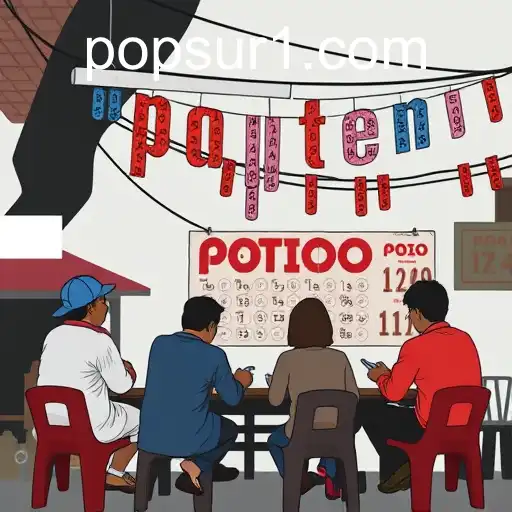
Jueteng is a popular numbers game in the Philippines, often compared to a local lottery. Despite its illegal status, it thrives in many parts of the country, embedded deeply in culture and history. The game involves participants choosing a set of numbers and betting on a combination that they hope will be drawn. The simplicity and potential financial reward make it alluring to thousands of Filipinos.
The Structure of Jueteng
The game operates on a simple premise but is structured around a complex network. At the core is the "cobrador," or the bet collector, who roams communities gathering bets. The "kabo," or coordinator, manages several cobradors, submitting the collected bets to the "jueteng lord." The latter oversees the operation, ensuring the integrity of the draws and managing the finances.
Drawings are typically held twice daily, with various localities customizing rules to suit their own ordinances and community norms. Winning numbers are drawn usually through a manual system, adding an element of unpredictability that contributes to the game’s excitement. Participants, desperate for a potential change in fortune, continue to engage with enthusiasm.R5R.COM
Economic Impacts of Jueteng
Despite its shadowy status, Jueteng generates significant economic activity. It provides employment for many, from the cobradors to those operating at higher levels. Earnings distributed through the network can form a substantial informal economy, often contributing to local political campaign funds or community projects.S55.COM
For many players, Jueteng offers a rare chance to escape poverty. Winnings are often invested in daily needs or small business ventures. This financial dependency makes Jueteng a persistent issue for law enforcement and governance trying to manage its impact sustainably.
POPSUR: A Counterbalance
In the midst of Jueteng's popularity, POPSUR, which stands for Public Organizations for Social Uplift and Reform, aims to provide alternative pathways and reduce the reliance on illegal gambling. It focuses on creating awareness and offering social solutions to communities vulnerable to falling into the cycle of addiction and financial strains associated with gambling.
POPSUR's initiatives include financial literacy programs, employment workshops, and ethical gaming options that can provide a legal and structured alternative to Jueteng. They work closely with local governments and law enforcement, aiming to empower communities to choose sustainable economy-boosting pathways rather than gambling.
The Challenges of Eradicating Jueteng
Eradicating Jueteng is an intricate task. Its involvement with local political systems, where some officials are allegedly beneficiaries, complicates enforcement. Many argue for its legalization, citing perceived economic benefits and better regulation potential.
However, the moral and societal implications of legalization continue to be hotly debated. Religious institutions, alongside POPSUR, argue that the focus should be on eliminating gambling dependence and investing in community-centric projects.318bet.com
Way Forward
Addressing the root causes of Jueteng's prevalence is essential. Alternatives proposed by organizations like POPSUR need to be viable, offering tangible benefits to communities. The challenge lies in breaking the complex networks supporting Jueteng without leaving people economically vulnerable.199PG
Interestingly, Jueteng has sparked entrepreneurial ingenuity. Various communities have adopted a transparent, community-based monitored version of the game, integrating it into cultural festivals or as a local fundraising strategy, albeit on a small scale and with legal oversight.
In conclusion, Jueteng is more than just a game. It's a socio-economic phenomenon requiring nuanced strategies to address its multifaceted impacts. Organizations like POPSUR continue to pave the way for reform, advocating for education, resilience, and innovative community solutions. As discussions on its legality and morality persist, the search for balanced resolutions that prioritize social welfare remains crucial.S55.COM
